 Hammer Strength
Walk into any premium commercial gym today, and you’ll immediately notice the distinctive gray and yellow equipment dominating the free weight area. These are Hammer Strength machines, and they’ve become as fundamental to modern fitness facilities as barbells and dumbbells themselves. Over the past two decades, these plate-loaded strength training machines have transformed how millions of people approach resistance training, bridging the gap between traditional free weights and conventional selectorized machines.
The rise of Hammer Strength equipment reflects a broader evolution in fitness culture. As gym memberships have expanded beyond hardcore bodybuilders to include diverse populations—from busy professionals seeking efficient workouts to older adults prioritizing safe strength training—the demand for equipment that combines safety with effectiveness has never been higher. Hammer Strength machines answer this call by offering the intensity and natural movement patterns of free weights within a more controlled, user-friendly framework.
Premium Hammer Strength Equipment Collection
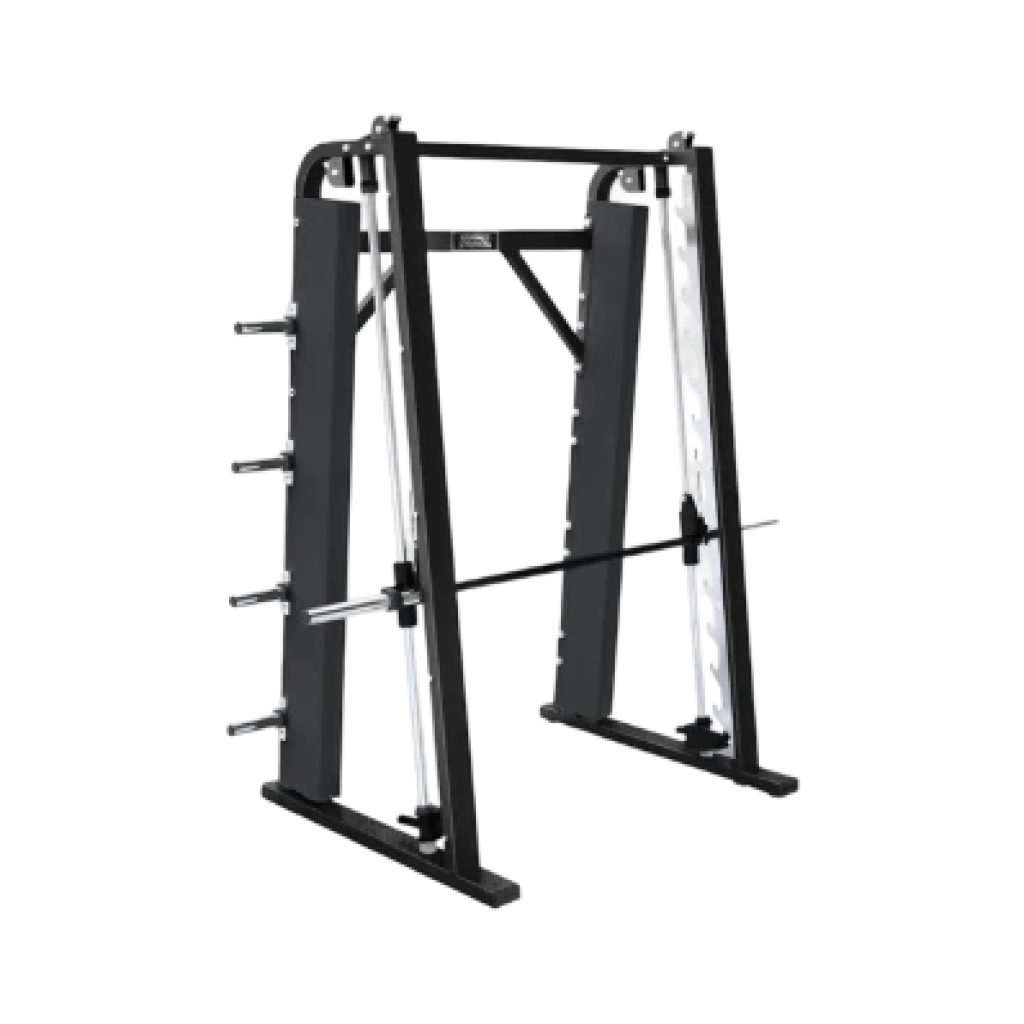
Hammer Strength Smith Machine
Price: $7,230.00
Description:
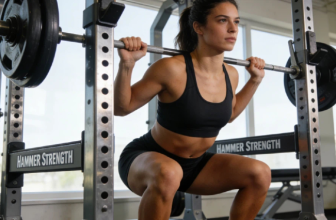
The Hammer Strength Smith Machine combines safety, versatility, and robust performance. Its vertical bar path follows natural lifting motion, helping users perform squats, presses, and lunges with stability and control. The walk-through design allows easy access, while 13 bar racking positions accommodate lifters of all sizes.
With 8 integrated weight horns for organized storage and 30 lbs starting resistance, this equipment ensures smooth and consistent performance whether you’re a beginner or a pro. Built for longevity, it features a 10-year frame warranty and 5-year bearing coverage.
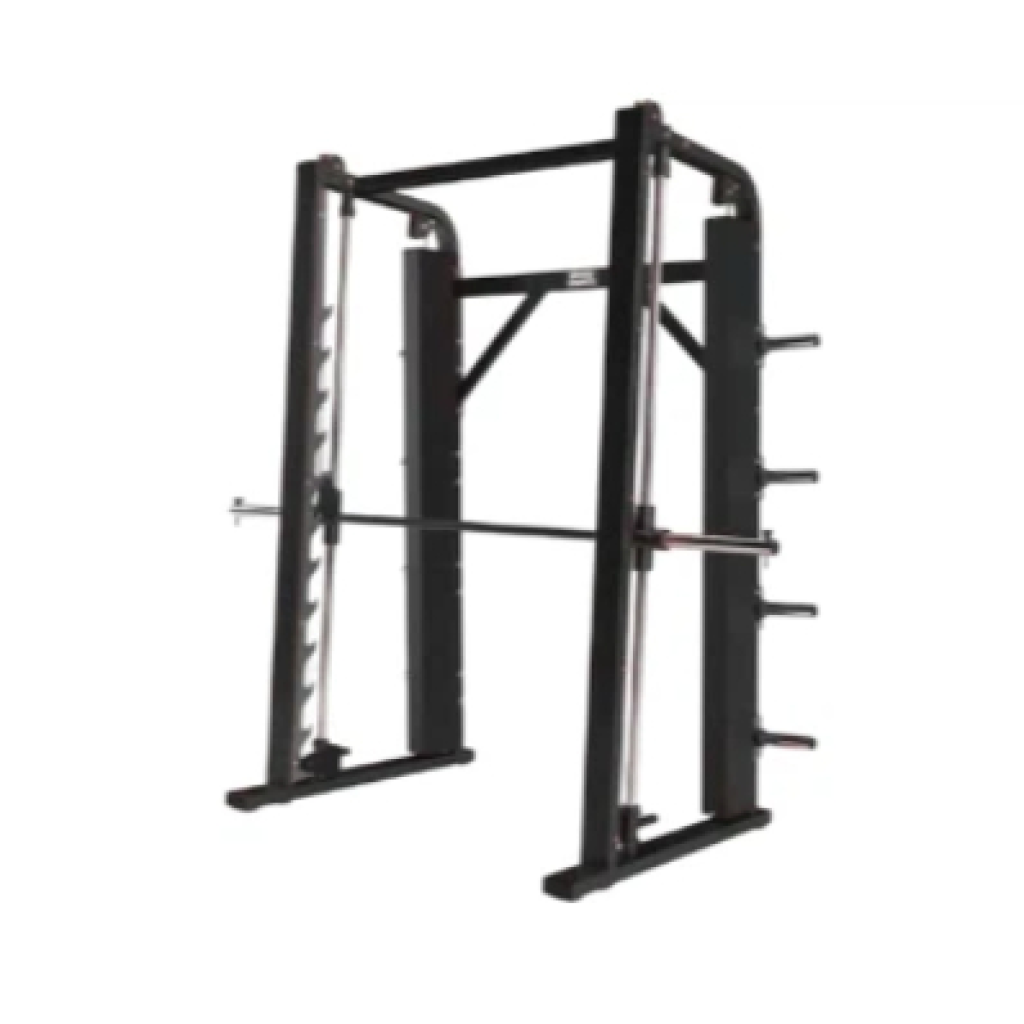
Hammer Strength Plate Loaded Vertical Smith Machine
Price: $7,230.00
Description:
Designed for elite performance, this Plate Loaded Vertical Smith Machine blends smooth linear movement with unmatched strength capacity. The 11-position bar rack accommodates lifters of all heights, while the integrated label system keeps weights organized and accessible.
Delivering 30 lbs starting resistance and a maximum capacity of 660 lbs, this machine supports advanced power training without sacrificing control or safety. The walk-through design enhances accessibility, making it perfect for high-traffic fitness centers.
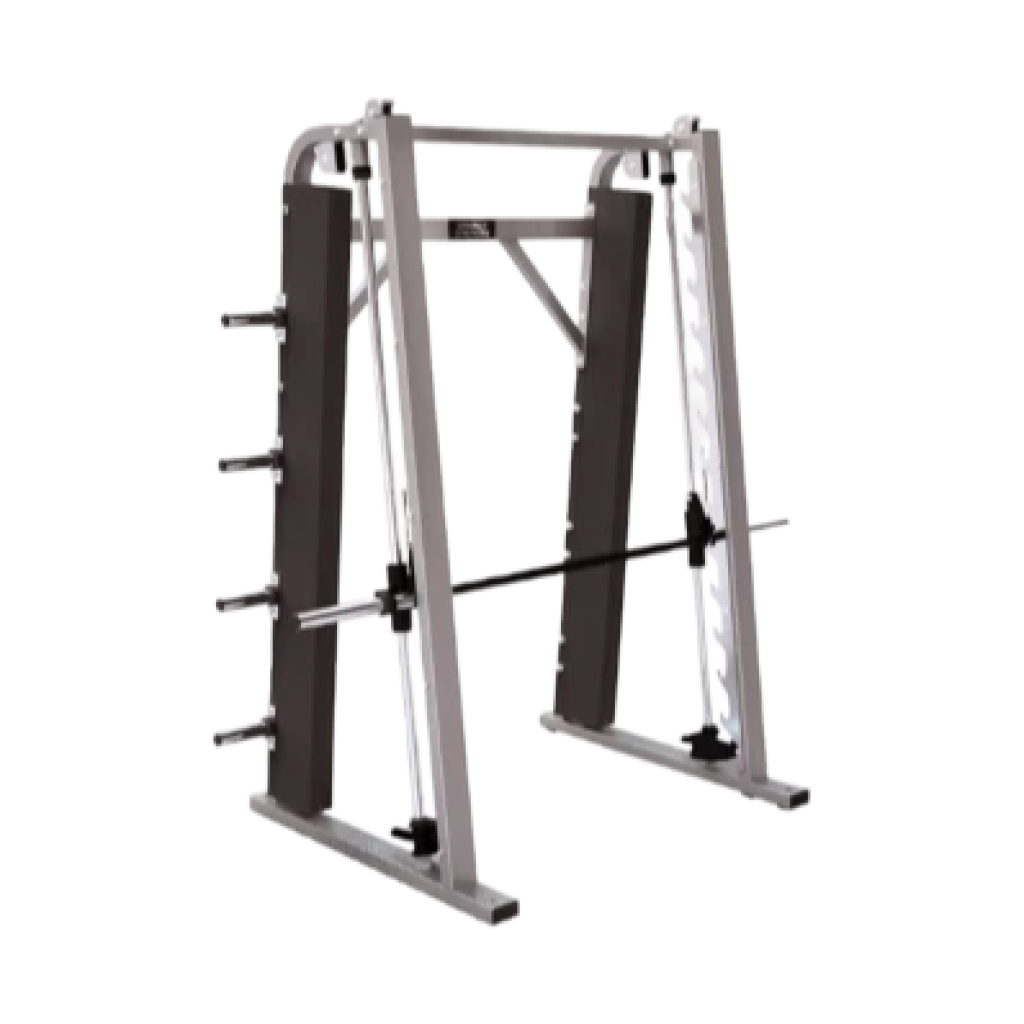
Hammer Strength Smith Machine—Commercial Series
Price: $3,699.00
Description:
Experience solid performance and lasting reliability with the Commercial Series Hammer Strength Smith Machine. Constructed from 11-gauge steel, it guarantees maximum structural integrity and long-term resilience. The electrostatic powder coat finish ensures corrosion resistance and an aesthetic appeal that suits any professional gym.
Weighing 635 lbs, this Smith Machine is built for heavy-duty use, offering powerhouse stability in any fitness environment. Its compact dimensions (50″L x 86.5″W x 93″H) make it ideal for both small studios and commercial setups.
Understanding the Hammer Strength Brand
Hammer Strength is the premium plate-loaded equipment line manufactured by Life Fitness, one of the world’s leading fitness equipment companies. Founded in the early 1990s, the brand was specifically developed to meet the needs of serious strength athletes and commercial gym operators who wanted something beyond basic weight stack machines. The name itself evokes power and durability—qualities that define every piece of equipment bearing the Hammer Strength logo.
What distinguishes Hammer Strength from conventional gym equipment is its fundamental design philosophy. Rather than using a weight stack with a selector pin, these machines utilize Olympic weight plates loaded onto pins or sleeves, similar to how you’d load a barbell. This plate-loading system combined with biomechanically engineered movement paths creates a unique training experience that captures the benefits of both free weights and machines while minimizing their respective drawbacks.
The brand’s commitment to merging free weight authenticity with machine safety has made it the gold standard in commercial fitness facilities worldwide. From professional sports training centers to university recreation facilities, from elite bodybuilding gyms to mainstream fitness chains, Hammer Strength equipment has earned its reputation through consistent performance and user satisfaction.
Core Technology and Design Features
ISO-Lateral Independent Movement Technology
The crown jewel of Hammer Strength’s innovation is its patented ISO-Lateral technology. This groundbreaking design allows each arm or leg to move independently along its own path, unlike traditional machines where both limbs must follow a single, unified trajectory. The implications of this technology are profound for both training effectiveness and injury prevention.
When you press, pull, or lift on an ISO-Lateral machine, each side of your body must generate force independently. This creates several important training benefits. First, it prevents the stronger side from compensating for the weaker side—a common problem with barbell training and traditional bilateral machines. Second, it allows you to identify and address strength imbalances that might otherwise go unnoticed. Third, it more closely mimics real-world movement patterns where limbs rarely move in perfect synchronization.
The independent movement paths are engineered according to detailed biomechanical research. Rather than forcing your joints through predetermined angles, the equipment allows your arms or legs to follow their natural arcing motions. This reduces joint stress while maximizing muscle fiber recruitment across the full range of motion. The result is a training experience that feels remarkably similar to free weights but with enhanced safety and stability.
The Plate-Loading System Advantage
The decision to use plate-loading rather than weight stacks represents more than just aesthetic preference—it fundamentally changes the training experience. With plate-loaded equipment, you have virtually unlimited weight capacity, constrained only by how many plates you can load onto the machine. This makes Hammer Strength equipment suitable for everyone from rehabilitation patients using just the sled weight to elite powerlifters loading multiple 45-pound plates per side.
The tactile experience of loading plates also creates a psychological connection to the training. There’s something visceral about sliding iron plates onto steel pins, something that connects modern gym-goers to the traditions of strength training. This ritualistic aspect shouldn’t be dismissed—it helps create the focused mindset necessary for intense training sessions.
From a practical standpoint, plate-loading offers superior adjustability compared to weight stacks. Instead of being limited to 10 or 15-pound jumps, you can increase resistance by as little as 2.5 pounds using small fractional plates. This precision is crucial for progressive overload, especially for smaller muscle groups or when working near maximum capacity. Additionally, the linear resistance curve of plate-loading (where the weight remains constant throughout the movement) better matches how muscles actually produce force compared to the variable resistance of some cam-based machines.
Safety and Structural Integrity
Hammer Strength equipment is engineered with commercial-grade durability as a non-negotiable requirement. The frame construction typically utilizes 11-gauge steel tubing with robotic welds and multiple-coat paint finishes. This results in machines that can withstand years of heavy use in busy commercial facilities—we’re talking about equipment designed to handle thousands of repetitions per week without degradation in performance or safety.
Safety features are integrated throughout the design. Weight horns are positioned to prevent plates from sliding off even during aggressive training. Movement arms are constructed to maintain alignment under heavy loads, preventing the wobbling or shifting that could lead to injuries. Seat and back pad adjustments lock securely in place, eliminating the risk of unexpected position changes mid-set. These details might seem minor, but they’re critical for safe training, especially when working alone or approaching muscular failure.
The stable base design of Hammer Strength equipment also merits attention. Unlike some machines that feel unstable under heavy loads, these units maintain rock-solid contact with the floor even when loaded with several hundred pounds. This stability not only enhances safety but also improves the quality of muscle contraction by eliminating unnecessary stabilization demands.
Major Equipment Categories and Functions
Chest Training Series
The Hammer Strength chest press machines are among the most popular pieces in any gym. The standard chest press offers a horizontal pressing movement that closely mimics the flat barbell bench press but with several advantages. The independent handles allow each arm to press through its natural path, reducing shoulder strain while maximizing pectoral engagement. The seated position provides stable back support, enabling you to focus entirely on pressing movement without worrying about maintaining a stable platform.
Variations in pressing angle dramatically affect which portions of the pectorals receive emphasis. The incline press targets the upper chest (clavicular head), helping develop the fullness in the upper chest area that creates a complete physique. The decline press emphasizes the lower chest (sternal head), contributing to that defined lower pec line. Having access to all three angles allows for comprehensive chest development that addresses the entire muscle group.
The Hammer Strength fly machine deserves special mention. Unlike cable or dumbbell flies where resistance varies throughout the range of motion, the machine maintains consistent tension through the entire movement arc. The starting position places your arms in a pre-stretched position, safely loading the pectorals in their lengthened state—something that’s difficult to achieve with free weights without significant injury risk. The converging movement path mimics the natural biomechanics of a hugging motion, maximizing chest recruitment at the contraction point.
Back Training Series
Back training on Hammer Strength equipment showcases the versatility of the plate-loaded design. The lat pulldown machine offers multiple grip widths and hand positions, allowing you to target different portions of the latissimus dorsi and upper back musculature. The independent movement arms ensure that your stronger side can’t dominate the movement, a crucial feature for developing balanced back width.
The seated row variants provide equally comprehensive posterior chain development. The ISO-Lateral row is particularly noteworthy—it allows for a rowing motion that closely resembles dumbbell rows but with the stability advantage of a supported chest pad. This combination enables you to handle heavier weights than freestanding dumbbell rows while maintaining strict form. The converging movement path brings your hands closer together at the peak contraction, maximizing the squeeze in your mid-back muscles.
Low row and T-bar row variations add horizontal pulling diversity. These movements emphasize the middle trapezius, rhomboids, and posterior deltoids—muscles critical for postural health and aesthetic back development. The ability to adjust torso angle and foot position allows you to fine-tune which muscles receive primary emphasis during each exercise.
Shoulder Training Series
Shoulder training equipment from Hammer Strength addresses the complex, multi-directional nature of deltoid development. The shoulder press machine offers an overhead pressing motion that’s safer and more accessible than barbell or dumbbell presses for many users. The supported seated position eliminates lower back stress, while the natural arcing movement path reduces rotator cuff impingement risk—a common problem with poorly executed overhead pressing.
Lateral raise machines specifically isolate the medial deltoid, the muscle responsible for shoulder width. By removing the need to stabilize the weight through the full range of motion, these machines allow for very focused tension on the side delt. The resistance curve is optimized to maintain tension even at the top of the movement where dumbbells typically become easier due to mechanical advantage shifts.
For complete shoulder development, front and rear deltoid machines provide isolation work for these often-neglected portions of the shoulder complex. Rear deltoid work is particularly important for shoulder health and posture, counterbalancing the heavy anterior pressing work most people do.
Lower Body Training Series
The Hammer Strength leg press is a cornerstone piece for leg development. Unlike vertical leg press machines, the angled design follows a more natural pressing path that better matches how your legs produce force. The large platform accommodates various foot positions—high, low, wide, narrow—each emphasizing different portions of the quadriceps, hamstrings, and glutes. The linear resistance and plate-loading capability mean you can progressively overload the legs with tremendous weight, making this machine suitable for everyone from rehabilitation patients to competitive powerlifters.
Hamstring curl machines, available in both seated and lying variations, provide focused posterior thigh development. The Hammer Strength versions typically feature ergonomic pad positioning and ankle pad adjustments that ensure your hamstrings—rather than your lower back or calves—do the work. The ISO-Lateral versions allow each leg to curl independently, addressing the common strength imbalances between legs.
Leg extension machines round out the primary quadriceps equipment. While sometimes controversial in rehabilitation settings, when used properly with appropriate loads, they provide valuable isolated quadriceps work that’s difficult to achieve with compound movements alone. The Hammer Strength design ensures smooth resistance throughout the extension arc.
Arm and Specialized Muscle Training
While compound movements should form the foundation of any program, arm specialization equipment serves important roles. Hammer Strength bicep curl machines provide stable, isolated biceps work without the momentum and form breakdown that can occur with free weight curls when approaching failure. The ergonomic pad positioning ensures your upper arms remain fixed, forcing the biceps to do all the work.
Triceps machines, including dips and pushdown variants, complete the arm training arsenal. The assisted dip machine is particularly valuable for beginners who can’t yet perform bodyweight dips, while advanced trainees can add significant weight to make the movement more challenging. The various handle attachments allow you to emphasize different heads of the triceps through subtle changes in grip and arm position.
Calf raise machines, though often overlooked, are crucial for complete lower leg development. The Hammer Strength versions provide stable platforms and appropriate pad positioning to maximize soleus and gastrocnemius engagement while minimizing balance demands.
Training Advantages of Hammer Strength Equipment
Suitability for Different Training Populations
For beginners, Hammer Strength machines offer an ideal introduction to resistance training. The fixed movement paths eliminate the steep learning curve associated with free weight exercises, where proper form and balance must be mastered before significant training stimulus can be applied. A novice can sit at a chest press machine and immediately begin working their pectorals effectively, whereas proper barbell bench press technique might require weeks or months of practice to master.
The safety benefits for solo training cannot be overstated. Unlike barbell bench pressing where failure without a spotter can result in serious injury, failing on a Hammer Strength chest press simply means you can’t complete the rep—you set the handles down and the set is over. This safety margin encourages training to genuine muscular failure, which research consistently shows produces superior hypertrophy adaptations.
Intermediate and advanced trainers find different value in these machines. For intermediate lifters, Hammer Strength equipment provides precise muscle targeting that accelerates development. If your upper chest lags behind your mid and lower pecs, you can dedicate specific work to the incline press without the technical demands and injury risk of heavy incline barbell work. For advanced athletes, these machines are invaluable for pushing past strength plateaus through techniques like drop sets, rest-pause training, and high-volume accumulation work that would be difficult or dangerous with free weights.
Rehabilitation populations represent another important user group. Physical therapists and athletic trainers frequently incorporate Hammer Strength equipment into recovery protocols because the controlled movement paths and adjustable resistance allow for progressive loading of injured tissues without the destabilizing demands of free weights. The ISO-Lateral technology is particularly valuable for correcting post-injury strength imbalances.
Advantages Over Free Weights
The debate between free weights and machines has raged in fitness communities for decades, but this often represents a false dichotomy. Both modalities have distinct advantages, and optimal training programs typically incorporate both. Hammer Strength equipment specifically addresses several limitations of free weight training.
Safety during solo training heads this list. Heavy barbell squats and bench presses carry inherent risk when performed without spotters, limiting how hard you can safely push yourself. With plate-loaded machines, you can train to complete muscular failure with confidence, knowing you won’t be crushed by a barbell. This psychological security allows for more intense training, which translates to better results.
Reduced stabilization demands represent another key advantage. While some view this as a weakness of machine training, it’s actually a strength for specific applications. When training to build muscle size (hypertrophy), the goal is to maximally stimulate the target muscle. Free weight exercises require significant energy expenditure on stabilization, which can fatigue you before the target muscle is adequately stimulated. Machines channel all your effort into the primary movers, potentially producing superior muscle growth despite lower stabilization demands.
Technical learning curve compression is particularly valuable in commercial gym settings where personal training resources are limited. An exerciser can be taught proper setup and execution of a Hammer Strength exercise in minutes, whereas proper free weight technique might require extensive coaching. This accessibility democratizes strength training, making effective workouts available to people who might otherwise be intimidated by or excluded from resistance training.
Advantages Over Traditional Selectorized Machines
While Hammer Strength machines fall under the broader category of “machines,” they’re fundamentally different from traditional selectorized weight stack machines. The plate-loading system provides weight increment flexibility that standard machines can’t match. Instead of being forced to jump from 100 to 110 or 115 pounds, you can increase by 5, 2.5, or even smaller increments by using fractional plates.
The ISO-Lateral technology creates movement patterns far more natural than bilateral machines. Traditional machines force both limbs through identical paths, which doesn’t match real-world movement and can mask strength imbalances. The independent movement of Hammer Strength equipment more accurately represents functional movement patterns and provides better preparation for athletic activities.
The training experience simply feels more like free weights than traditional machines do. The need to control the weight through the eccentric (lowering) portion, the slight instability that requires focus and tension, the linear resistance profile—all these factors combine to create a sensation much closer to barbell and dumbbell training than standard pin-loaded machines provide.
Commercial durability represents the final major advantage. Hammer Strength equipment is engineered for the extreme demands of commercial facilities—thousands of repetitions per week, users of vastly different sizes and strength levels, and minimal maintenance. Traditional machines with cables, pulleys, and weight stacks require more frequent service and have more failure points. The simplicity of plate-loaded equipment translates to remarkable longevity and minimal downtime.
Proper Usage Guidelines
Essential Setup Adjustments
Proper equipment setup is crucial for both safety and effectiveness. Despite the user-friendly nature of Hammer Strength machines, taking time to adjust settings for your body dimensions makes a significant difference in training quality. Seat height adjustment is typically the first and most important setting. Your goal is to align your joints (shoulders for upper body pressing, hips for lower body movements) with the machine’s pivot point. This alignment ensures the resistance curve matches your strength curve and reduces joint stress.
Backrest angle, where applicable, affects both exercise feel and muscle emphasis. A more upright backrest on a chest press, for example, shifts emphasis toward the upper chest and front deltoids, while a more reclined position isolates the pectorals more completely. Small adjustments—just a notch or two—can meaningfully change exercise stimulus.
Handle or grip position selection matters more than many people realize. Most Hammer Strength machines offer multiple grip options (horizontal, vertical, angled) and grip widths. These variations allow you to emphasize different portions of the target muscle or adjust for individual anatomical differences. Someone with long arms might need a wider grip position than someone with shorter arms to achieve optimal muscle engagement.
Starting position configuration deserves careful attention. Many machines allow you to adjust where the movement begins, effectively changing your starting range of motion. This is particularly valuable for people with mobility restrictions or injuries. You can gradually expand range of motion as flexibility and strength improve.
Key Training Techniques
Breathing rhythm significantly impacts training performance and safety. The standard recommendation—exhale during the concentric (lifting) phase and inhale during the eccentric (lowering) phase—serves you well with Hammer Strength equipment. However, for very heavy lifts, some experienced trainees use a Valsalva maneuver (holding breath during the hardest portion of the lift) to maintain spinal stability. This technique should only be used by trained individuals and is generally unnecessary for machine training.
Tempo control represents one of the most underutilized variables in machine training. Most people move too quickly, using momentum rather than muscle tension to complete repetitions. A controlled tempo—perhaps 1-2 seconds concentric, brief pause, 2-3 seconds eccentric—ensures continuous muscle tension and superior stimulus. Time under tension is a key driver of muscle growth, and machines allow you to manipulate this variable precisely.
Peak contraction technique involves pausing briefly at the point of maximum muscle shortening—the top of a curl, the fully contracted position of a row, the lockout of a press. This pause, just one or two seconds, maximizes muscle fiber recruitment and can enhance the mind-muscle connection. It’s particularly effective on isolation movements like flies, curls, and extensions.
Eccentric phase control—the lowering or returning portion of each rep—may be the most important component of effective machine training. Muscle damage (one of the key mechanisms driving hypertrophy) occurs primarily during eccentric contractions. Taking 2-4 seconds to lower the weight under control, maintaining tension throughout, produces superior muscle building stimulus compared to simply dropping the weight back to the starting position.
Common Mistakes and Corrections
Loading excessive weight represents the most frequent error. The ease of adding plates and the stable nature of machine training can tempt people to pile on more weight than they can control properly. If you’re using momentum, bouncing at the bottom of movements, or reducing range of motion to handle the weight, you’re training your ego rather than your muscles. Reduce the load until you can complete each repetition with controlled form through a full range of motion.
Incomplete range of motion is equally problematic. While partial range training has specialized applications, most of your work should involve moving from full stretch to complete contraction. Stopping short of full range usually indicates either excessive weight or poor positioning. Full range movements recruit more muscle fibers and promote better joint health and flexibility.
Unstable posture during exercises indicates either poor setup or excessive weight. Your torso should remain fixed and supported by the seat back and pad throughout each repetition. If you’re arching away from the pad, lifting your hips off the seat, or twisting to one side, something is wrong. Reset, reduce weight if necessary, and ensure your setup creates a stable base of support.
Over-reliance on machines at the expense of free weights represents a strategic error for most trainees. While Hammer Strength equipment is excellent, it shouldn’t completely replace barbells and dumbbells in your program. The ideal approach for most people involves foundational free weight compound movements (squats, deadlifts, presses, rows) supplemented with machine work for additional volume, isolation work, and safe training to failure.
Training Program Design Recommendations
Four-Week Beginner Introduction
New trainees should begin with full-body workouts performed three times weekly on non-consecutive days. This frequency allows adequate recovery between sessions while establishing training habits and neural adaptations. A sample Monday/Wednesday/Friday schedule works well for most schedules.
Each workout should include 6-8 exercises covering all major muscle groups: chest, back, shoulders, legs, and arms. Begin with larger compound movements and progress to smaller isolation exercises. For example: leg press, chest press, seated row, shoulder press, leg curl, triceps press, bicep curl. Perform 2-3 sets of 10-12 repetitions for each exercise, resting 60-90 seconds between sets.
Weight selection should allow you to complete all prescribed repetitions with proper form while making the last 2-3 reps challenging. If you can easily complete 12 reps, the weight is too light. If you can’t complete 10 reps with good form, it’s too heavy. Progressive overload—gradually increasing weight over time—drives adaptation, so keep a training log and aim to add small amounts of weight (2.5-5 pounds) every 1-2 weeks as you grow stronger.
Intermediate Split Training
After building a foundation (typically 3-6 months of consistent full-body training), most trainees benefit from transitioning to split routines that train different muscle groups on different days. This allows for higher volume per muscle group and more complete recovery.
The push-pull-legs split is extremely effective and fits well with Hammer Strength equipment. Day 1 (push) includes all pressing movements: chest presses (flat, incline), shoulder presses, lateral raises, triceps work. Day 2 (pull) covers rowing and pulling movements: lat pulldowns, rows, rear delt work, biceps. Day 3 (legs) addresses lower body: leg press, leg curls, leg extensions, calf raises. Perform this cycle twice weekly (6 training days per week) with one rest day, or once weekly with additional rest days as recovery demands dictate.
An upper-lower split provides another excellent option, alternating between upper body and lower body workouts. This allows 3-4 training days per week—two upper and two lower sessions—providing adequate volume for muscle growth while allowing recovery. Upper body days include chest, back, shoulders, and arms. Lower body days focus on leg press, lunges, hamstring work, and calf training.
Volume recommendations for intermediate trainees typically range from 10-20 sets per muscle group per week. Larger muscle groups (back, chest, legs) can tolerate the higher end of this range, while smaller muscles (biceps, triceps, rear delts) do well with fewer sets. Sets of 6-12 repetitions work well for most exercises, with the higher rep ranges (10-12) for isolation movements and lower ranges (6-8) for compound pressing and pulling exercises.
Advanced Training Techniques
Once you’ve built substantial strength (typically after 1-2 years of consistent training), advanced intensity techniques can help push past plateaus and stimulate new adaptation. These methods should be used judiciously—they’re highly fatiguing and shouldn’t be employed on every set or every workout.
Drop sets involve training to failure at a given weight, then immediately reducing the load and continuing for additional repetitions. With plate-loaded machines, this is extremely practical—simply remove plates between sets. For example, chest press to failure at 3 plates per side, strip to 2 plates, continue to failure, strip to 1 plate, final set to failure. This technique creates tremendous metabolic stress and muscle damage, powerful drivers of growth.
Supersets pair two exercises performed back-to-back with minimal rest. Antagonistic supersets (chest and back, biceps and triceps) work particularly well, allowing one muscle group to recover while training the opposite. This approach increases training density, packing more volume into less time while maintaining or enhancing training quality. For example, alternate sets of chest press and seated row, resting only long enough to move between machines.
The ISO-Lateral advantage enables unilateral (single-arm or single-leg) training techniques. Performing exercises one side at a time allows you to focus entirely on that limb, potentially achieving deeper muscle fiber recruitment. It also extends set duration, as you perform repetitions for one side, then the other. This extended time under tension can enhance hypertrophy stimulus. Some advanced trainees use this technique specifically to address imbalances, performing extra work for a lagging side.
Pre-exhaustion involves performing an isolation exercise before a compound movement to fatigue the target muscle before involving assisting muscles. For example, perform flies before chest press to tire the pectorals before involving triceps and front delts. Post-exhaustion reverses this order, using isolation to further exhaust an already fatigued muscle. Both techniques can help break through strength plateaus and enhance mind-muscle connection.
Purchasing and Maintenance Guide
Commercial Gym Acquisition Considerations
Outfitting a commercial facility with Hammer Strength equipment represents a significant investment, typically ranging from several thousand dollars per unit to over $50,000 for comprehensive coverage of all major muscle groups. Space planning is the crucial first step. Each piece of equipment requires not just its physical footprint but also adequate clearance for plate loading, user movement, and safe operation. A typical Hammer Strength chest press might occupy 6-7 feet of length and 4-5 feet of width, but you should allocate 8-10 feet of length accounting for weight plate storage and user approach.
Budget allocation requires balancing comprehensive coverage with financial constraints. A minimal functional setup for a commercial facility might include: chest press, incline press, lat pulldown, seated row, shoulder press, leg press, and leg curl—roughly 7-10 machines representing approximately $30,000-$50,000 in initial investment. Mid-level facilities typically stock 15-20 Hammer Strength pieces, while premium facilities might have 30-40 units providing multiple variations of major movements.
Life Fitness manufactures several product lines under the Hammer Strength brand, each suited to different facility types and budgets. The Select line integrates traditional pin-loaded weight stacks with Hammer Strength’s ergonomic design, offering a middle ground between pure plate-loaded and traditional selectorized machines. The Plate-Loaded line represents the classic Hammer Strength experience, with separate machines for each movement pattern. The Ground Base line features a lower-profile design that enhances accessibility and flow in crowded gym environments.
Service and warranty considerations shouldn’t be overlooked. Commercial equipment typically carries 5-10 year structural warranties with 1-2 year warranties on parts and upholstery. The simplicity of plate-loaded equipment means fewer failure points than cable or electronic machines, but you should still establish relationships with authorized service providers for occasional maintenance and repairs. Some facilities negotiate extended warranties or service contracts as part of their initial purchase.
Home Gym Configuration Advice
Creating a home gym around Hammer Strength equipment requires different considerations than commercial settings. Space constraints typically limit home users to 2-5 pieces, so equipment selection must provide maximum versatility. For chest and shoulder development, an ISO-Lateral chest press covers flat pressing while offering incline positions through body positioning adjustments. A lat pulldown handles vertical pulling needs. A seated row provides horizontal pulling. A leg press addresses lower body. This four-piece foundation covers most major movement patterns in roughly 100 square feet of space.
Budget allocation for home gym equipment differs from commercial settings. While commercial buyers might invest $3,000-$8,000 per unit for premium equipment, home users often seek value. Used Hammer Strength equipment frequently becomes available as gyms upgrade or close, typically priced 40-70% below new retail. A used commercial-grade chest press might sell for $1,500-$2,500 versus $4,000-$5,000 new. Online marketplaces, gym equipment retailers, and direct contacts with closing facilities all represent potential sources for used equipment.
Space utilization becomes critical in home settings. Consider equipment footprint in three dimensions—not just floor space but also height clearance. Some Hammer Strength pulldown machines require 8-9 feet of ceiling clearance. Multi-function stations that combine several exercises in one frame can maximize utility in limited space, though they sacrifice some of the specialized ergonomics of individual units.
Weight plate investment deserves separate consideration. Each piece of Hammer Strength equipment requires plate loading, so you’ll need substantial plate inventory. Budget 300-500 pounds of Olympic plates (45s, 25s, 10s, 5s, and 2.5s) for a basic home setup, more if multiple users or advanced trainees will use the equipment. Quality bumper plates cost $1.50-$3.00 per pound, representing another $500-$1,500 investment beyond the machines themselves.
Maintenance and Care Protocols
Commercial-grade equipment requires remarkably little maintenance, but consistent attention to simple protocols extends equipment life and maintains user satisfaction. Daily cleaning and sanitizing should be standard practice, especially in commercial settings. Use appropriate disinfectant solutions (avoiding harsh chemicals that damage upholstery or paint) on all touch surfaces—handles, pads, adjustment levers. Microfiber cloths work well for this purpose, preventing scratching while effectively cleaning surfaces.
Weekly inspections should include checking all pivot points for smooth operation. The bushings and bearings that allow movement arms to rotate should operate silently and smoothly. Grinding sounds or resistance indicate wear requiring lubrication or replacement. Check all bolts and adjustment handles for tightness—the vibration of regular use can loosen hardware over time. Tighten as needed using appropriate tools, being careful not to over-torque and strip threads.
Lubrication requirements vary by component. Pivot points and bushings typically benefit from silicone-based lubricants applied every 1-3 months depending on usage intensity. Avoid petroleum-based products that can attract dust and degrade rubber components. Weight horn pins should slide smoothly—apply dry lubricant if they become sticky.
Weight plate management extends beyond the machines themselves. Plates left scattered pose injury risks and accelerate floor damage. Establish plate storage protocols—dedicated trees or horns for plate storage, with clear expectations that users return plates after use. Regular inspection of weight plate collars (the devices securing plates on loading pins) ensures plates don’t slide during use.
Common issues and troubleshooting: Squeaking typically indicates a need for lubrication at pivot points. Rough or catching movement suggests bushing wear requiring professional service. Loose adjustment handles can often be tightened by accessing set screws, though some require replacement. Torn upholstery should be repaired or replaced promptly to prevent further degradation. Most commercial upholstery shops can handle repairs cost-effectively.
User Testimonials and Market Reception
Professional Perspectives
Personal trainers consistently rank Hammer Strength among their preferred equipment brands. Its reliability allows trainers to focus on coaching rather than equipment troubleshooting. The ISO-Lateral technology provides valuable teaching opportunities, helping trainers identify and address client imbalances. One certified strength coach noted, “I can put a complete novice on a Hammer Strength chest press and have them feeling their pecs work within five minutes. That rapid success builds confidence and engagement, which are crucial for long-term adherence.”
Physical therapists and athletic trainers value the equipment for rehabilitation applications. The controlled movement paths allow progressive loading of healing tissues without the balance demands of free weights. The ability to train unilaterally—one limb at a time—proves invaluable for correcting post-injury strength deficits. One sports medicine physician remarked, “We can begin strength work earlier in the recovery process with plate-loaded machines than we could with free weights, accelerating the overall rehabilitation timeline.”
Gym owners and operators evaluate equipment through business lenses: durability, member satisfaction, space efficiency, and prestige value. Hammer Strength scores well across these dimensions. Downtime is minimal, member feedback is overwhelmingly positive, and the distinctive appearance signals equipment quality to prospective members. The brand recognition carries weight in competitive fitness markets where members compare facility amenities before joining.
User Experience Feedback
Recreational fitness enthusiasts appreciate the equipment for practical reasons. The learning curve is gentle, allowing new gym members to begin productive strength training immediately rather than spending weeks mastering free weight technique. The safety of training alone removes a significant psychological barrier for people uncomfortable asking strangers for spotting assistance. Users consistently report greater confidence pushing themselves during machine training compared to free weight work.
Bodybuilding and physique-focused trainees use Hammer Strength equipment strategically within broader programs. The machines excel for finishing work after heavy free weight exercises have depleted energy and coordination. Drop sets, rest-pause sets, and high-repetition pump work all become practical when you don’t need to stabilize a barbell or manage dumbbells. Numerous competitive bodybuilders have credited Hammer Strength equipment with helping develop lagging muscle groups through precisely targeted stimulus.
Age-related considerations appear in user feedback. Older adults particularly value the joint-friendly nature of machine training. Controlled movement paths and adjustable starting positions accommodate flexibility limitations while still providing effective strength training. For this population, the safety advantages of machines versus free weights can mean the difference between training or not training at all—and given the crucial importance of strength for healthy aging, this represents significant real-world impact.
Common concerns and questions arise predictably. Some users worry about limited functional transfer to real-world activities. While machines don’t develop coordination and balance as effectively as free weights, they do build genuine strength that absolutely transfers to daily life activities. Another frequent question concerns optimal balance between machines and free weights. Most experienced trainers recommend a foundation of compound free weight movements supplemented with machine work for additional volume and isolation, though individual needs and preferences should guide specific programming.
Competitive Analysis
Major Competing Brands
Cybex represents Hammer Strength’s closest premium competitor. Known for distinctive styling and biomechanical precision, Cybex equipment often costs slightly more than comparable Hammer Strength pieces. The company offers both selectorized and plate-loaded equipment, with its Eagle NX and Bravo lines competing directly with Hammer Strength. Cybex machines feature sophisticated industrial design and extensive research backing, though some users find them less intuitive to adjust than Hammer Strength alternatives.
Precor occupies a similar market position with its Icarian and Discovery lines. Precor brings particular expertise in cardio equipment, translating some of that technological sophistication into strength products. Their machines often incorporate more complex adjustment mechanisms and technological features like digital displays. This added complexity can be advantageous or problematic depending on perspective—more features provide more customization but also more potential failure points.
Technogym represents the European premium segment, distinguished by sleek Italian design and extensive smart technology integration. Technogym equipment typically commands the highest prices in the category, positioning itself as luxury fitness equipment. Their strength machines emphasize aesthetics and technology integration, appealing to high-end facilities where appearance matters as much as function. The biomechanics are sound, but the price premium is substantial.
Matrix, a division of Johnson Health Tech, offers commercial-grade equipment at more accessible price points. While not matching the prestige of Hammer Strength or Cybex, Matrix provides solid functionality and durability at lower cost. This makes it attractive for facility operators working with tighter budgets or for home users seeking commercial-grade equipment without premium pricing.
Comprehensive Comparison
Price positioning places Hammer Strength in the premium segment but not at the absolute top. A typical Hammer Strength chest press might retail for $4,000-$5,000, compared to $3,500-$4,500 for Matrix, $4,500-$6,000 for Cybex, and $5,500-$7,000 for Technogym. Used equipment markets affect these dynamics—Hammer Strength units retain value well due to brand reputation and durability, but that also means used prices remain relatively high.
Technical differentiation centers on movement path design and adjustment mechanisms. ISO-Lateral technology is proprietary to Hammer Strength, giving it a unique selling point. Cybex counters with its own biomechanical research and sophisticated cam systems. Precor emphasizes smooth resistance curves and extensive adjustability. Each brand has developed its own approach to the fundamental challenge of creating natural, effective movement patterns.
User experience comparisons are subjective but certain patterns emerge. Hammer Strength consistently scores high for intuitive adjustment and straightforward operation. Cybex earns praise for refined movement feel and aesthetic design. Precor users appreciate extensive adjustability and smart technology integration. Technogym attracts attention with sophisticated design and premium materials but sometimes faces criticism for over-complication of simple functions.
Durability and service represent crucial differentiation in commercial settings where equipment must withstand extreme use. Hammer Strength has earned exceptional reputation for longevity—decade-old units remain fully functional in high-volume facilities. The simplicity of plate-loaded design contributes to this reliability. Selectorized machines from any brand face more maintenance demands due to cables, pulleys, and weight stacks, though quality construction minimizes these issues across premium brands.
Frequently Asked Questions
Purchasing Considerations
Price ranges for new Hammer Strength equipment span a wide spectrum. Individual pieces typically cost $2,000-$8,000 depending on complexity, with leg presses and multi-function stations commanding higher prices than simpler movements like preacher curl stations. Complete facility packages with 15-20 units range from $50,000 to $150,000 depending on specific selections and negotiated pricing. Home users seeking single pieces can sometimes negotiate significant discounts, especially when purchasing multiple units.
Purchasing channels affect both price and service. Authorized Life Fitness dealers provide warranty support, delivery, assembly, and sometimes financing options, but generally charge full retail pricing. Online retailers may offer discounts but limited service. Direct purchases from closing or upgrading gyms can yield significant savings—sometimes 50-70% off retail—but carry the burden of inspection, transportation, and installation. For commercial buyers, authorized dealer relationships provide valuable ongoing support worth the price premium. Home users with flexibility might benefit from patient searching of secondary markets.
Used equipment evaluation requires careful inspection. Check frame condition for rust, cracks, or excessive wear. Test all adjustment mechanisms for smooth operation and secure locking. Examine upholstery for tears or excessive wear—replacement costs $100-$300 per pad depending on complexity. Inspect weight horns and loading pins for damage or excessive wear. Most importantly, test the equipment through full range of motion under load, feeling for smooth operation without catching, grinding, or unusual resistance.
Training Application Questions
The question of whether machines can completely replace free weights generates strong opinions, but the nuanced answer is “it depends on your goals.” For pure muscle building, machines can absolutely provide sufficient stimulus—countless bodybuilders have built impressive physiques using primarily machine training. However, free weights develop coordination, balance, and stabilization in ways machines cannot match. For athletic performance, functional fitness, or comprehensive strength development, a combination approach is optimal. If circumstances limit you to machines only (injury concerns, home gym space, training alone), you can absolutely build strength and muscle, but you’ll miss some of the broader coordination benefits of free weights.
Timeline expectations for visible results depend on numerous factors—training consistency, nutrition, recovery, starting point, and genetic response. However, typical timelines suggest novice trainees should expect noticeable strength gains within 2-4 weeks as neural adaptations occur. Visible muscle size changes typically become apparent within 6-12 weeks of consistent training. Definition improvements depend heavily on body fat levels—if you’re already relatively lean, muscle definition appears quickly; if you carry substantial body fat, muscle development occurs beneath the surface while dietary changes address fat loss.
Plateau breaking requires varied approaches since adaptation causes progress to slow over time. Strategy changes might include: increasing training volume (more sets per muscle group), altering training frequency (hitting muscles more or less often), changing exercise selection (using different machines or angles), modifying intensity techniques (adding drop sets, supersets, or other advanced methods), or implementing periodization (cycling between high-intensity/low-volume and low-intensity/high-volume phases). Sometimes a simple deload week—training at reduced volume and intensity—allows recovery that enables renewed progress.
Training with injuries requires individualized assessment, but plate-loaded machines often provide options when free weights don’t. The controlled movement paths and adjustable starting positions allow you to work around many injuries. For example, a shoulder injury might prevent barbell pressing but allow pain-free machine pressing with reduced range of motion. The key is never working through joint pain—muscle burn is acceptable, joint pain is not. Consultation with healthcare providers and possibly physical therapists should guide return-to-training decisions.
Maintenance and Service
Maintenance frequency depends on usage intensity. Home equipment with single-user use might require deep maintenance just once or twice yearly, while busy commercial facilities should implement weekly inspection protocols. Basic cleaning and tightening should occur after each use or daily in commercial settings. Lubrication of pivot points every 1-3 months prevents wear. Professional inspection and service annually ensures long-term reliability and identifies minor issues before they become major problems.
Common wear items requiring eventual replacement include upholstery padding (5-10 years depending on use), adjustment handles and knobs (3-7 years), bushings and bearings at pivot points (5-15 years in commercial settings), and weight horns or loading pins (rarely, but high-volume facilities might replace after 10-15 years). Upholstery represents the most frequent replacement need. Many facilities budget for gradual upholstery replacement, addressing units as wear becomes excessive rather than replacing everything simultaneously.
Warranty coverage from Life Fitness typically includes 10-year structural frames, 3-year moving parts, and 1-year upholstery. Extended warranty options are sometimes available, though the reliability of Hammer Strength equipment makes these less critical than for more complex electronic or cable-based machines. Outside warranty periods, authorized service centers provide repairs at standard commercial rates. Many common repairs (tightening hardware, replacing worn bushings) can be performed by facility maintenance staff with basic mechanical skills, but complex issues warrant professional service to avoid voiding warranties or causing additional damage.